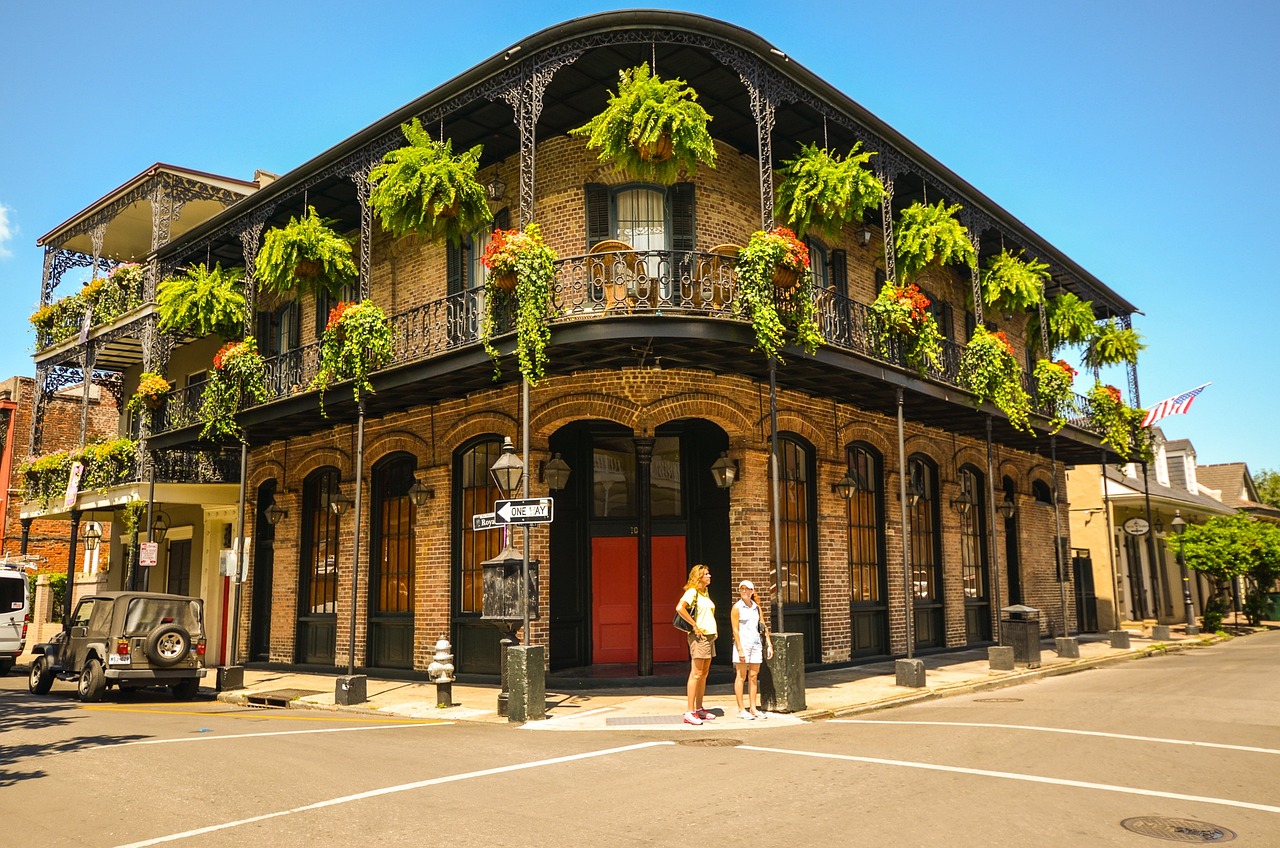
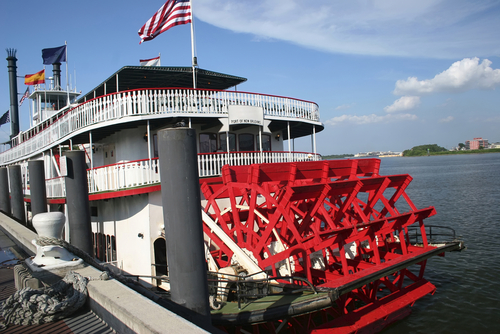
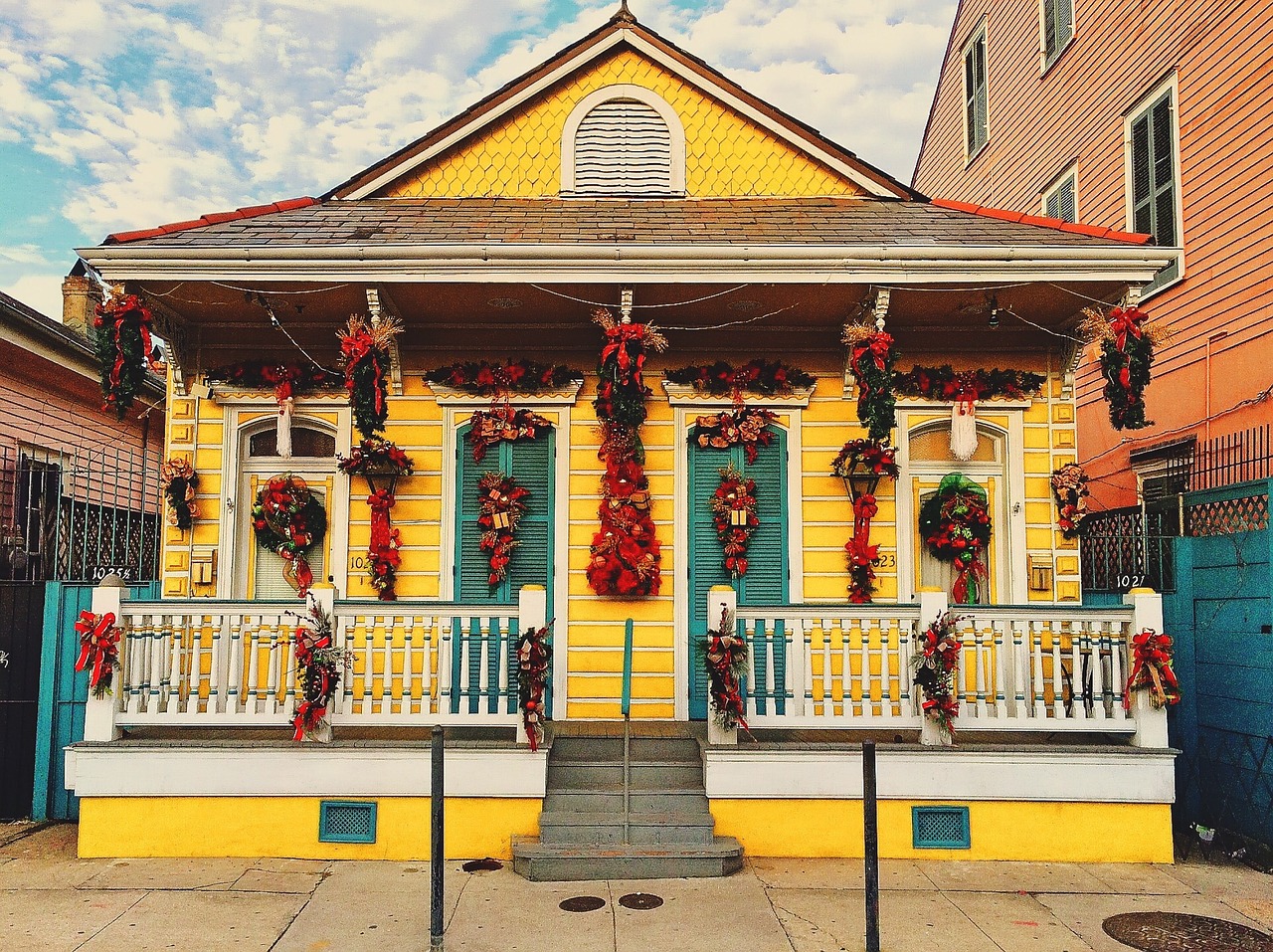
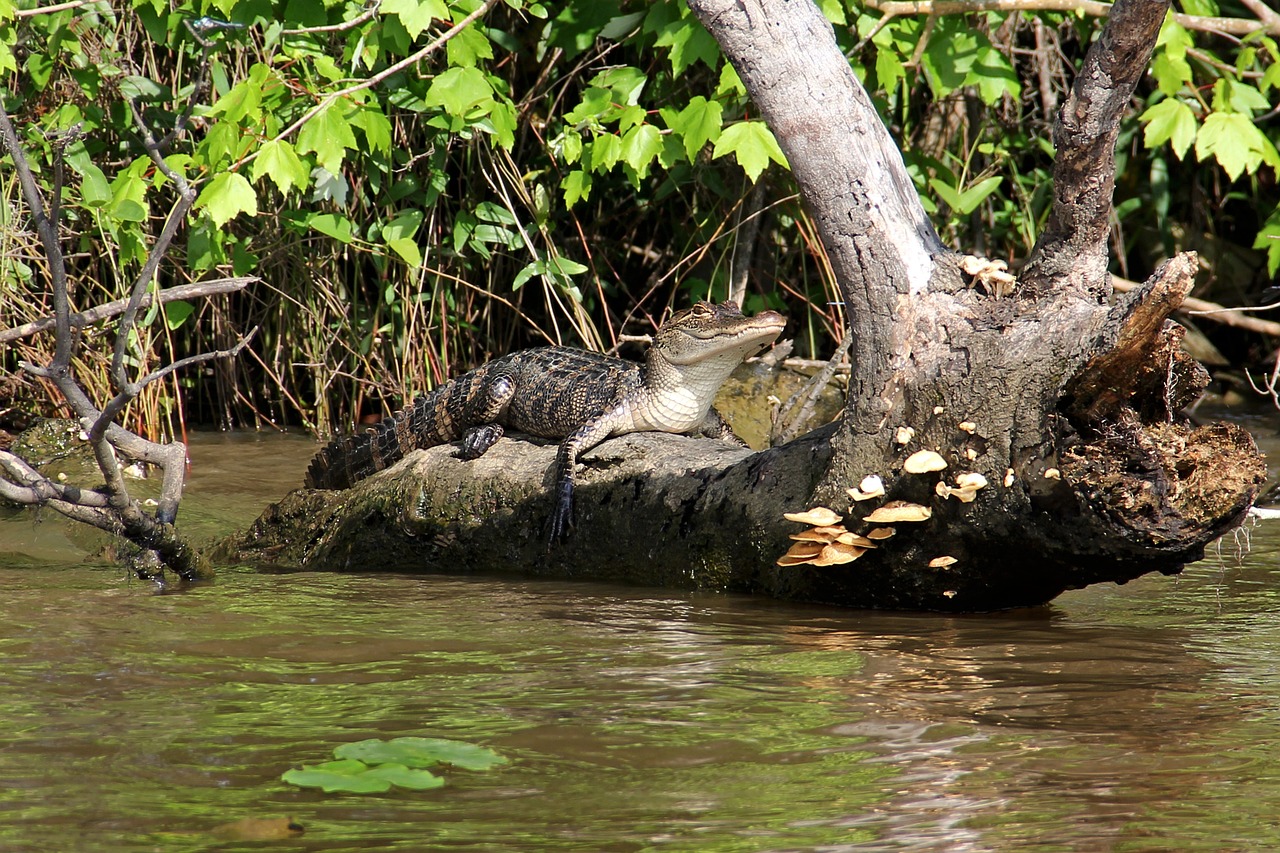
New Orleans sprawls along the bends of the Mississippi River, in the humid heart of Louisiana, a city unlike any other in the United States, a melting pot of French, Spanish, African and Creole cultures that gave birth to jazz and an unmistakable identity. Its most famous core is the French Quarter, the oldest district, where wrought-iron balconies overlook cobbled streets and Jackson Square opens before St. Louis Cathedral. From Bourbon Street, with its nightspots and music spilling from every doorway, you reach the more refined Royal Street, lined with art galleries and antique shops. A few steps away, the French Market blends stalls, flavours and tradition, while the Café du Monde serves its sugar-dusted beignets alongside chicory coffee. Beyond the centre, the Garden District reveals sumptuous antebellum mansions set among centuries-old oaks, easily explored aboard the historic St. Charles Avenue streetcar. The city lives for music: the clubs of Frenchmen Street keep live jazz alive, the legacy of Louis Armstrong, and every February Mardi Gras turns the streets into a riot of floats, masks and parades. The local cuisine is an experience in itself: gumbo, jambalaya, po' boys and crawfish tell the story of Creole and Cajun fusion in every dish. Along the banks of the Mississippi, paddlewheel steamboats evoke the golden age of river travel, while nearby the historic plantations and the mysterious swampy bayous, explored by boat among cypress trees and alligators, offer unforgettable day trips. With its syncopated rhythms, spiced aromas and a soul at once festive and melancholic, New Orleans enchants all who pass through.
Auto
Giorno 4 — New Orleans → Destrehan → Laura Plantation → Oak Alley Plantation → Vacherie
Vacherie rises along the Mississippi River in southern Louisiana, among the sugarcane fields of the picturesque River Road. The heart of plantation country, it preserves historic mansions with colonnaded porches, including the famous Oak Alley with its avenue of centuries-old oaks. All around lie bayous, swamps and the atmosphere of the Deep South. An evocative stop where the memory of the plantations and the charm of Louisiana meet.
Auto
Giorno 5 — Vacherie → Thibodaux → Morgan City → Avery Island → New Iberia → St Martinville → Lafayette
Thibodaux rises in the bayou of southern Louisiana, a Cajun-hearted town set amid canals, swamps and sugarcane plantations. Here Francophone culture lives in the music, the spicy cuisine and the traditions handed down through generations. The Wetlands Acadian Cultural Center tells the story of the Cajun people, and the nearby bayou invites boat tours among alligators and cypresses. Thibodaux is an authentic immersion in the soul of Louisiana. St. Martinville is a charming village in Louisiana, in the heart of Cajun country along the banks of Bayou Teche. A town of strong Acadian character, it is tied to romantic legends and preserves a historic church and centuries-old oaks draped in moss. The Francophone culture, music and Creole cuisine enliven its soul. An evocative destination among history, nature and Louisiana traditions. The beating heart of the Cajun Country, Lafayette is the capital of Cajun and Creole culture in southwest Louisiana. Founded by the descendants of the French Acadians deported from Canada, the city pulses to the rhythm of zydeco music and Cajun waltzes that animate its venues and traditional ballrooms. Here the French language survives on signs and in conversation, while cuisine reigns supreme: gumbo, jambalaya, crawfish étouffée and boudin are savoured in family restaurants and at the festivals that punctuate the year, foremost among them the Festival International de Louisiane. Not to be missed are Vermilionville and the Acadian Village, living museums that recreate the life of the Acadian communities among stilt cabins and crafts. All around stretches the landscape of the bayous, swamps explored by boat among bald cypresses and alligators.
Auto
Giorno 6 — Lafayette → Atchafalaya → Baton Rouge → St Francisville
Baton Rouge rises on the banks of the Mississippi as the capital of Louisiana, a city of hybrid character where French and Creole heritage blends with the energy of a university capital. Its institutional heart is dominated by the neo-Gothic Old State Capitol overlooking the river and the modern New State Capitol, the tallest state house in the United States. The riverfront invites strolls past museums and paddle steamers, while the Spanish Town district and the Louisiana State University campus enliven the city. Cuisine is the absolute star: gumbo, jambalaya and crawfish tell the Cajun and Creole story, best enjoyed in local restaurants to the rhythm of blues and zydeco. A short distance away stretch the historic plantations along River Road, an almost obligatory stop for those heading up to New Orleans. St Francisville is a charming historic village in Louisiana, set on a hill along the Mississippi River north of Baton Rouge, in the heart of plantation country. Spared from floods because built on high ground, it preserves a historic centre with elegant period buildings and famous antebellum plantations such as Rosedown and the evocative Myrtles Plantation, known for its ghost legends. Ancient oaks draped in Spanish moss create an atmosphere suspended in time. Between Southern history, period mansions and river nature, St Francisville enchants visitors.