Giorno 9 — Puerto Natales → Punta Arenas → Santiago del Cile
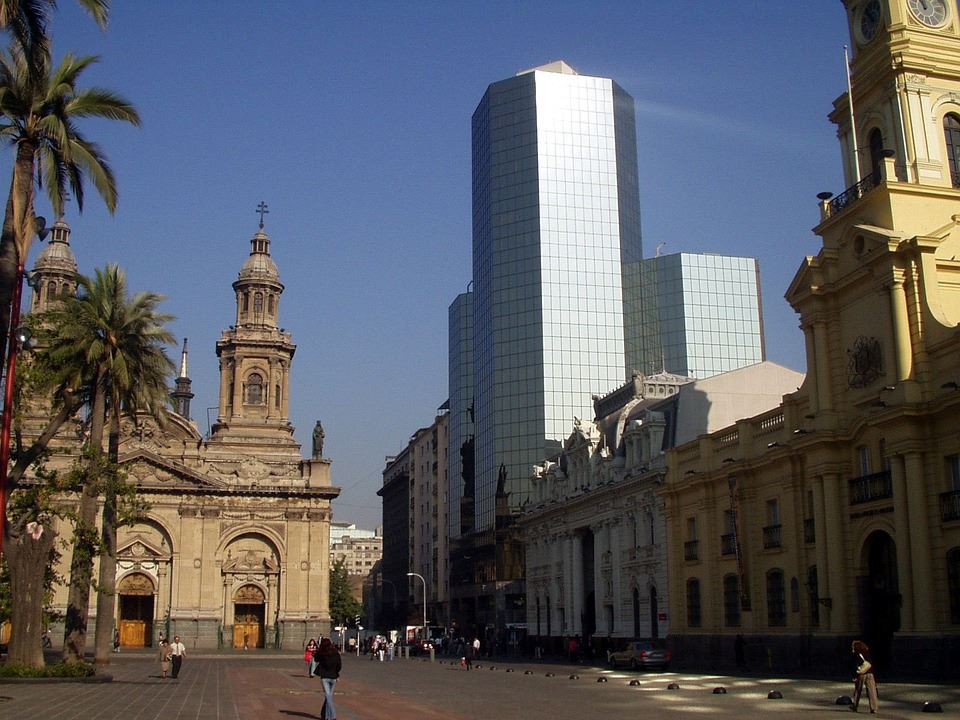
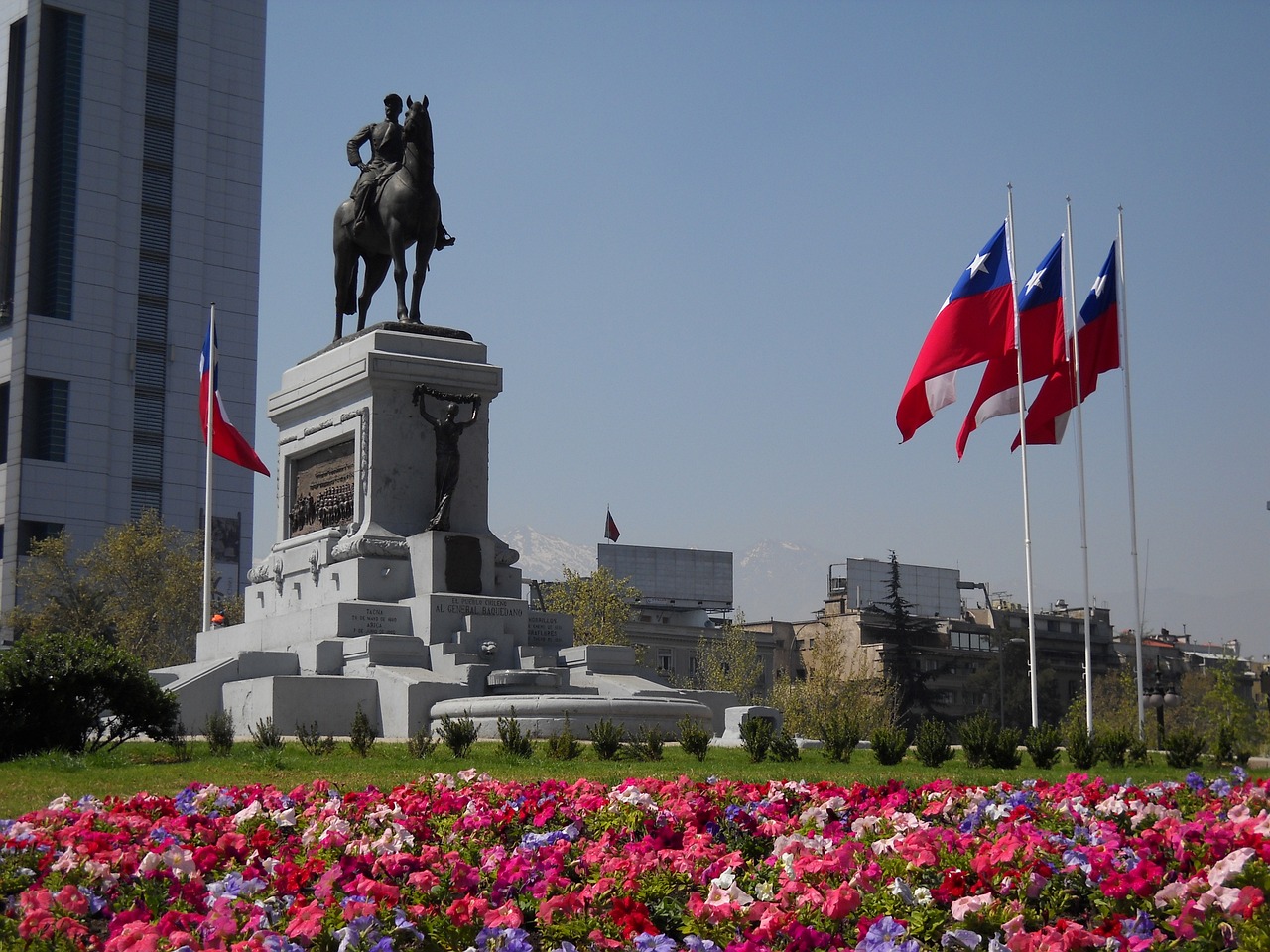
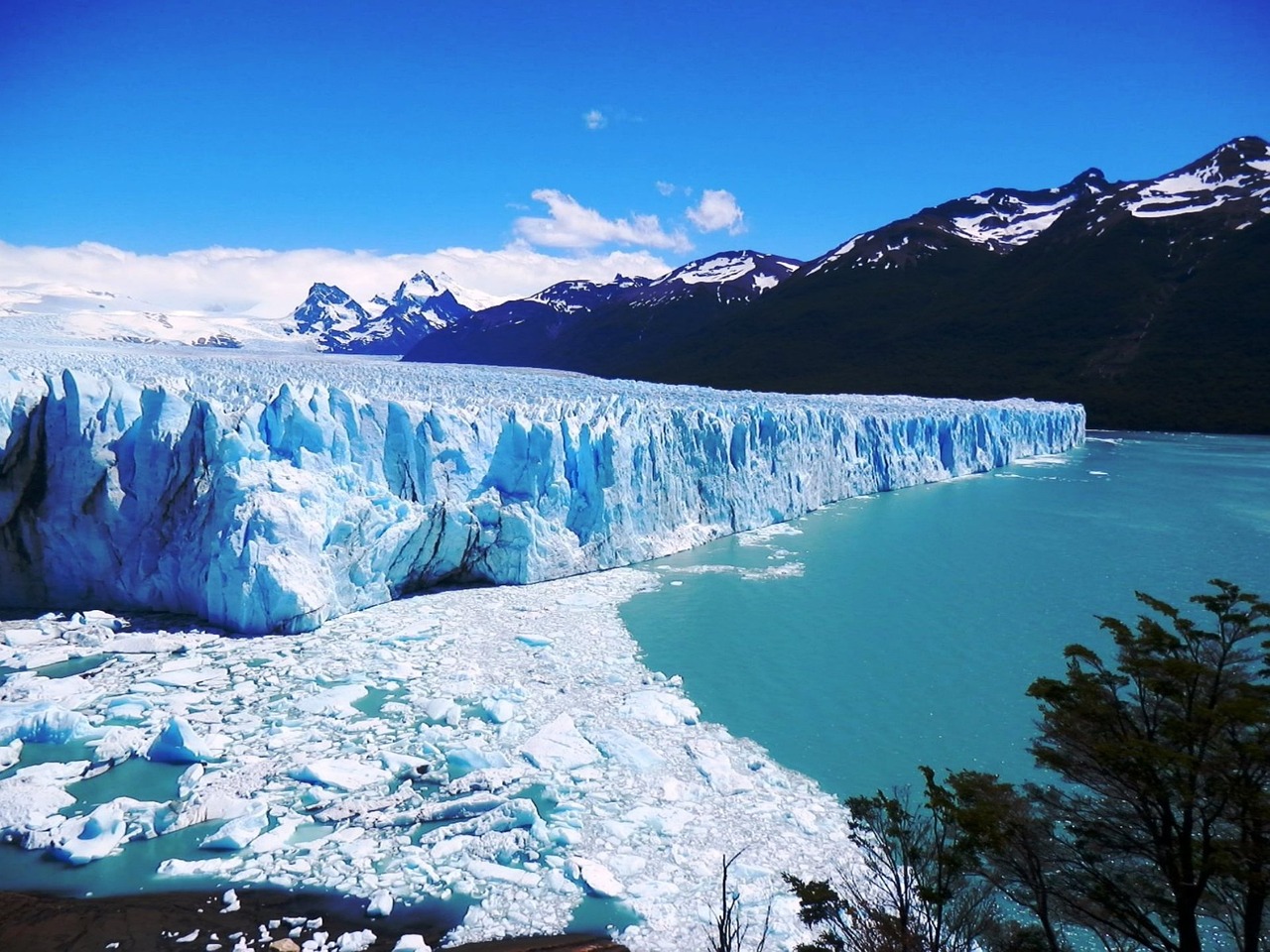
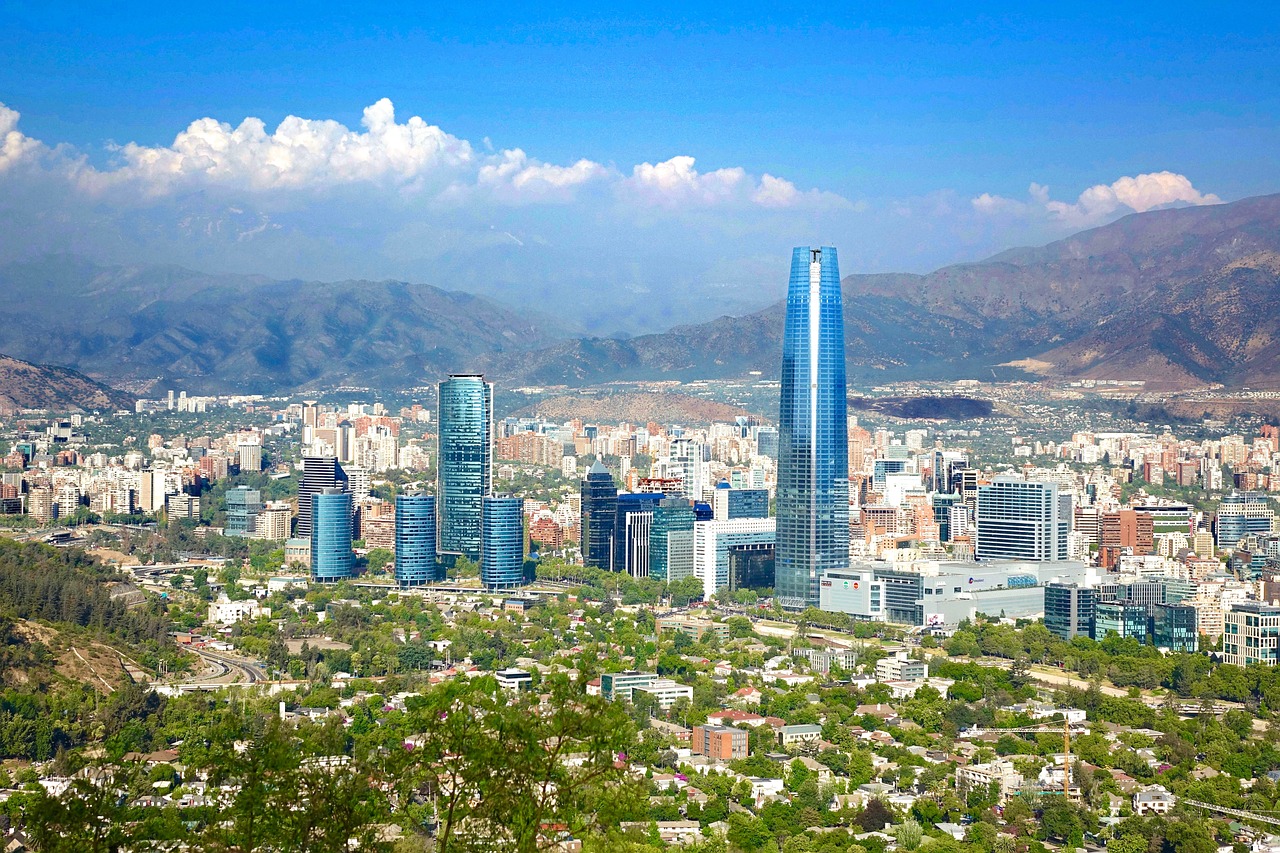
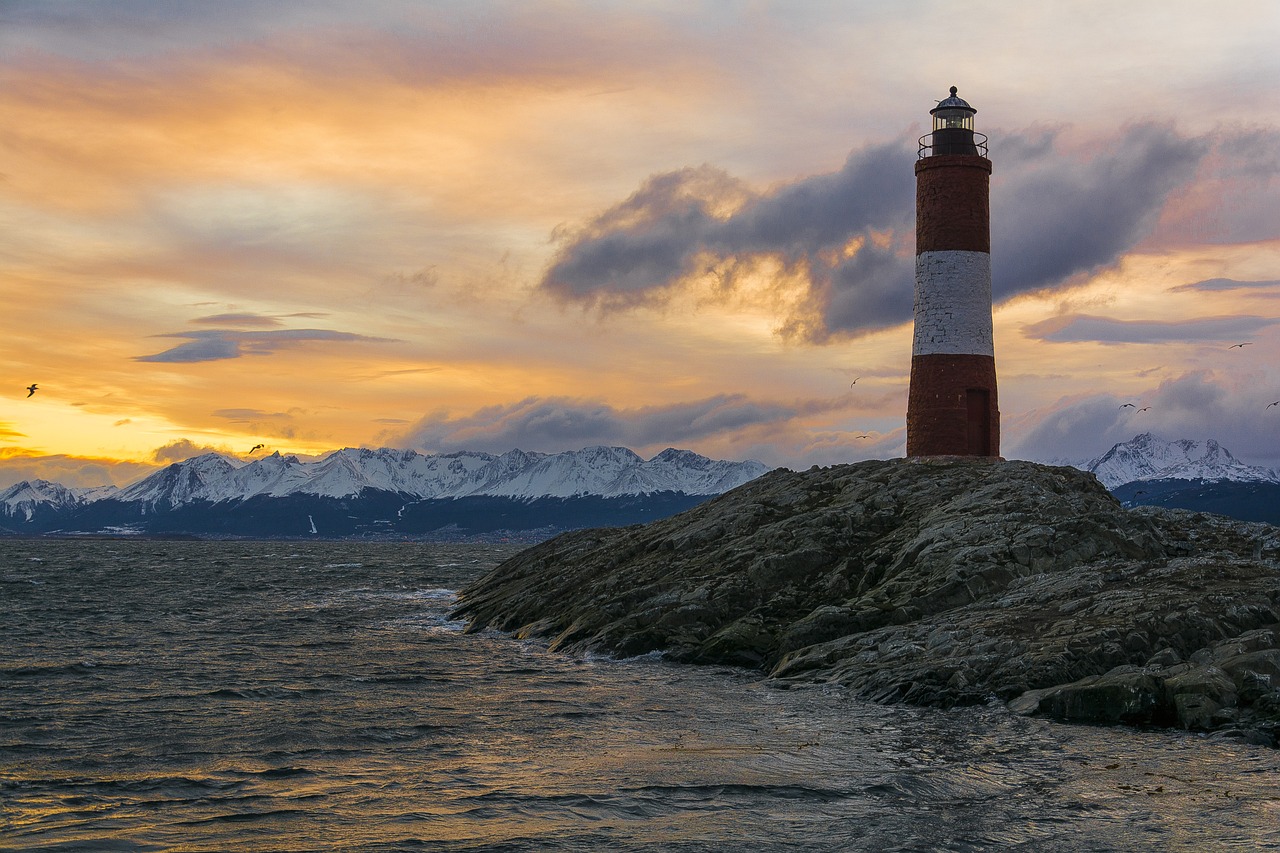
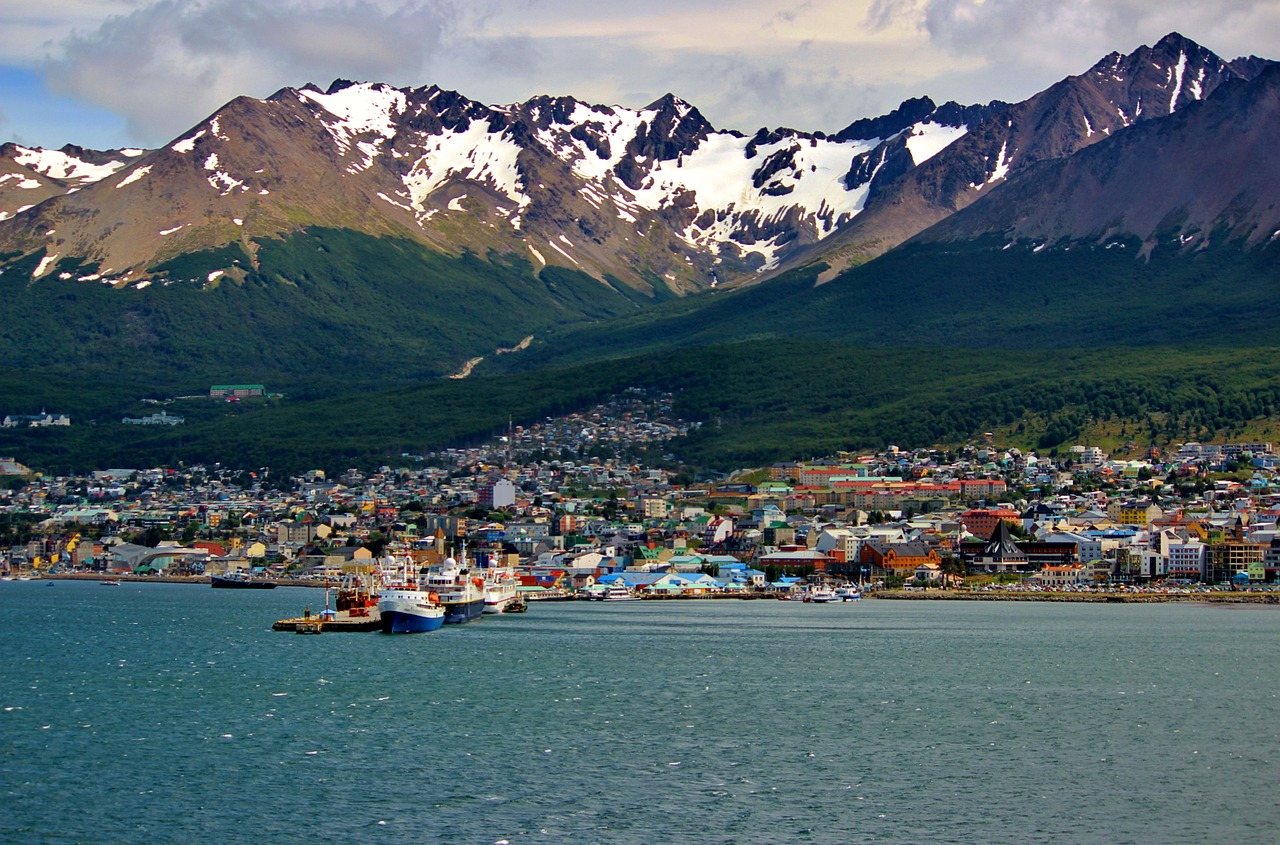
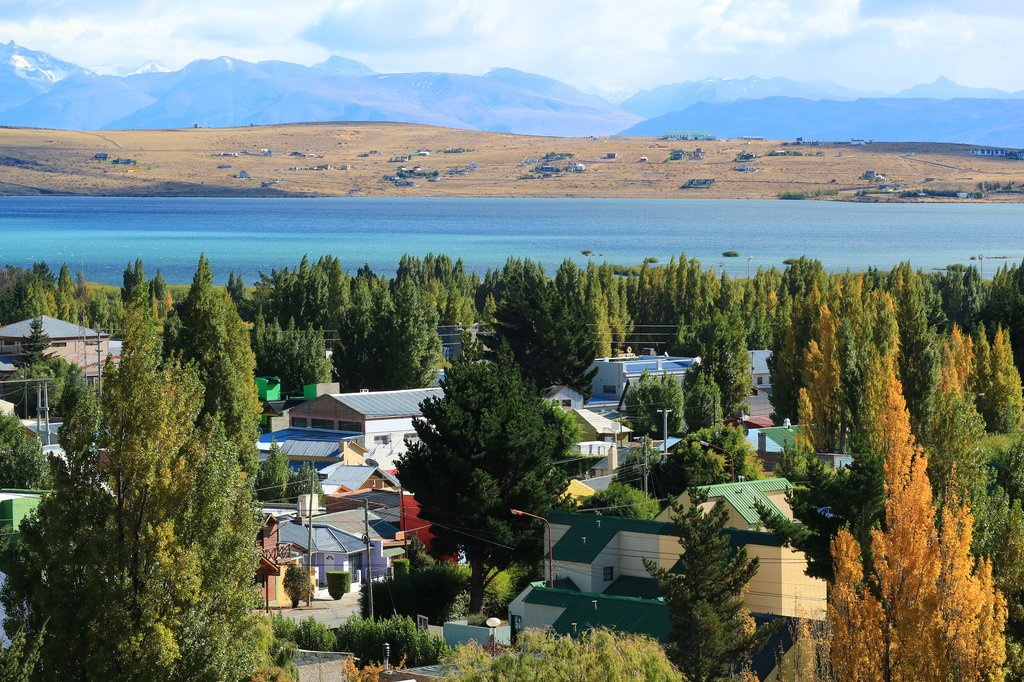
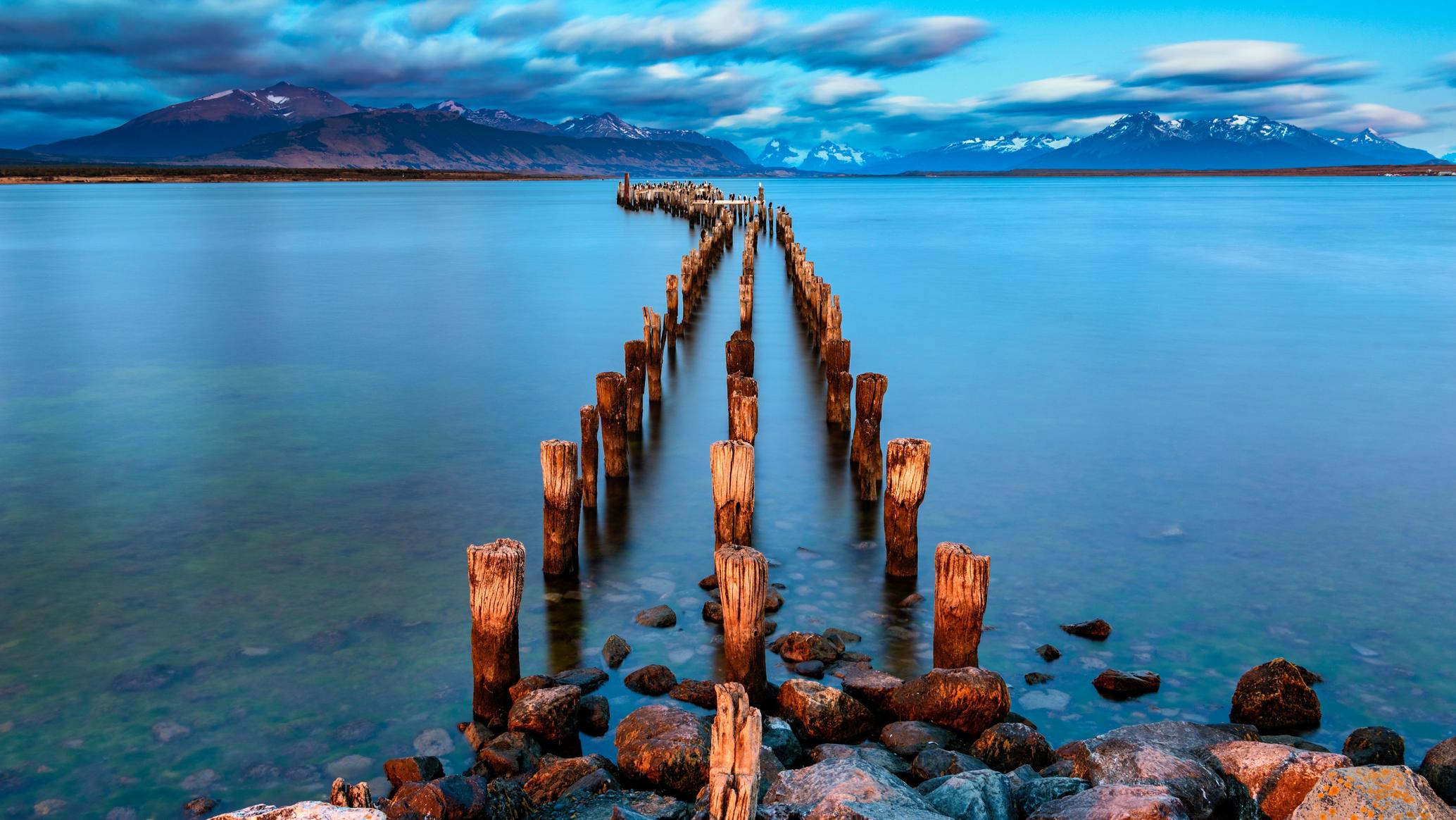
The route follows a road that crosses vast open landscapes of Patagonia, with spectacular views of mountains, steppes, and the region’s fjords. Along the way, you can admire the unspoiled beauty of nature and the grandeur of the landscapes stretching out to the horizon. Punta Arenas commands the Strait of Magellan at over 53 degrees south latitude — fierce wind and changeable sky included — asserting itself as the southernmost city in the world with more than one hundred thousand inhabitants. Founded in 1848 as a penal colony and supply port for ships passing towards the Pacific, it transformed into a flourishing commercial centre thanks to sheep farming and the maritime trade of the belle époque. The Plaza Muñoz Gamero, with its statue of Magellan at the centre, is the town's gathering point: tradition has it that touching the navigator's foot brings good luck to travellers. The Cementerio Municipal, with its cypress and marble tombs surrounded by twisted cypress trees, is one of the most beautiful cemeteries in South America. Punta Arenas is the embarkation point for cruises to Tierra del Fuego, the Beagle Channel and the Antarctic Peninsula. A few kilometres away lies the Magallanes Peninsula Biosphere Reserve, home to colonies of Magellanic penguins; the Reserva Nacional Magallanes hosts lenga and nothofagus forests with breathtaking views over the strait. The cuisine is robust and flavourful: cordero al asador, king crab and dishes from the Croatian tradition brought by the many Dalmatian immigrants. Punta Arenas welcomes visitors with the austere pride of those who inhabit the end of the world. Santiago de Chile spreads across an elevation of over 500 metres at the foot of the Andes, with the snow-capped peaks of the Cordillera rising on the horizon like a permanent, almost surreal backdrop. Founded in 1541 by Pedro de Valdivia, the Chilean capital is today a modern, cosmopolitan metropolis of over seven million inhabitants, capable of surprising visitors with the variety of its neighbourhoods, its cultural vitality and quality of life. The historic centre revolves around the Plaza de Armas, flanked by the Catedral Metropolitana, the Palacio de la Real Audiencia and the Museo Histórico Nacional — a few blocks are enough to retrace five centuries of colonial and republican history. Nearby, the Barrio Lastarria is a bohemian hub of art galleries, antiquarian bookshops and cafés open late into the night; the Barrio Italia enchants with its vintage design shops, fusion restaurants and murals that turn walls into open-air canvases. The Cerro Santa Lucía, a small hill in the heart of the city, offers a stroll through romantic gardens and panoramic viewpoints, while the Cerro San Cristóbal — reachable by funicular or on foot — rewards climbers with a 360-degree view of the entire metropolitan area. The lively, colourful Bellavista neighbourhood is home to the house-museum of Pablo Neruda, La Chascona, where the Chilean poet lived among storytelling objects, coloured bottles and a garden of curiosities. Upscale shopping concentrates in the modern Barrio Providencia and leafy Vitacura, where international boutiques share space with craft markets and tree-lined parks. The gastronomic scene is among the most dynamic in South America: from corvina ceviche to pasteles de choclo, from empanada de pino to lomo a lo pobre, Chilean flavours find accomplished interpreters in Santiago's restaurants, blending tradition and creativity. The markets of La Vega Central and Mercado Central offer an immersion in authentic Chile, amid aromatic herbs, exotic fruits and the freshest fish from both oceans. Santiago is also an ideal base for day trips: the wineries of the Maipo Valley to the south, the Valparaíso and Viña del Mar riviera to the west, and the ski slopes of Valle Nevado and Portillo to the east. An efficient metro network makes it easy to move between neighbourhoods, and the city boasts a first-rate museum offering, from the Museo Nacional de Bellas Artes to the Museo de la Memoria y los Derechos Humanos. Santiago de Chile is a capital that never ceases to astonish, weaving Andean grandeur with the irrepressible energy of a young city in perpetual transformation.